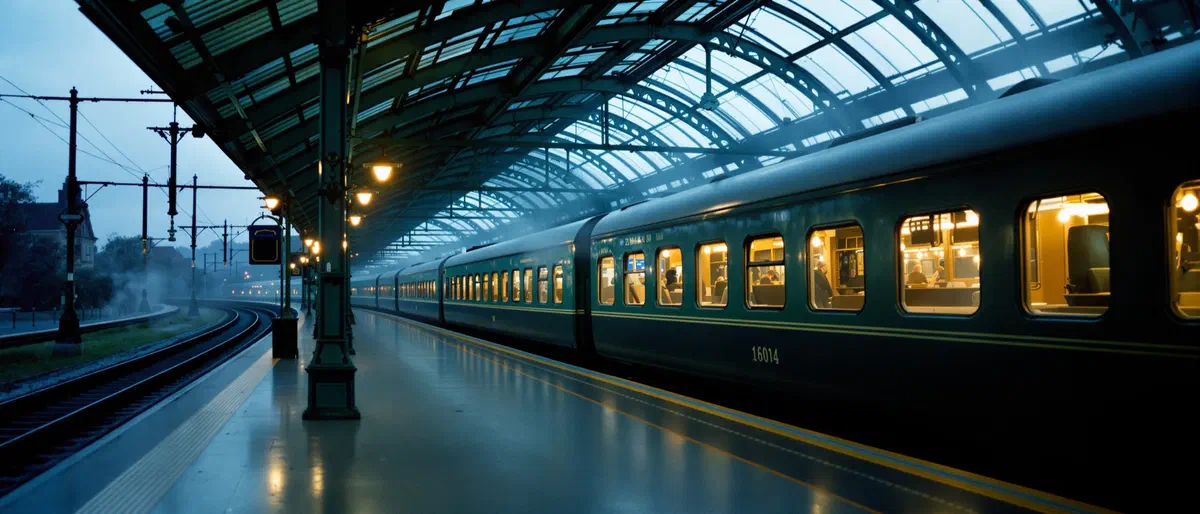
There is a particular kind of quiet at about 2 a.m. on a night train, when the corridor lights are dimmed, the attendant has stopped knocking, and the only sound is the rail joints. I have been chasing that sound for years. It has become fashionable again, which is good for the sleepers and slightly bad for the ticket queue, so here is how I choose.
Why the night train is worth the fuss
The argument is not nostalgia. A night train converts a dead evening and a dead morning into a journey, and you wake up somewhere with the day intact. Leave London on the Caledonian Sleeper in the evening and you are in the Highlands for breakfast, with Rannoch Moor sliding past the window as the first tea arrives. Take a Nightjet out of Vienna and you step off in Venice, with the lagoon already in light. Two hotel nights saved and, in the right cabin, a decent night’s sleep.
I say the right cabin because the wrong one is a different experience. A couchette with six strangers is cheap and sociable and not much else. A shared compartment of four can be perfectly good with the right people, and a lottery with the wrong ones. If the journey matters, I book a private compartment, ideally with its own washbasin, and I pay for it without apology.
Choosing the line
Not every sleeper is worth taking. Some are slow, loud and delayed for hours by freight; some are lovely and run only three nights a week. The ones I would recommend are those with a clear reason: a landscape you want to see at dawn, a city that a flight would reach too early, or a border that a plane would cross invisibly.
For this reason we rarely recommend a night train for the sake of it. On the Arctic line in Norway, the long Nordland run north from Trondheim is a day train, because the scenery is the point and it would be a waste to sleep through it. In Italy, a sleeper to Sicily is lovely for the novelty and the arrival, but it can run late, so we would never put one before a ferry connection that cannot wait. A timetable is a promise, not a guarantee, and I try to leave a buffer in anything that matters.
What to pack, and what to leave
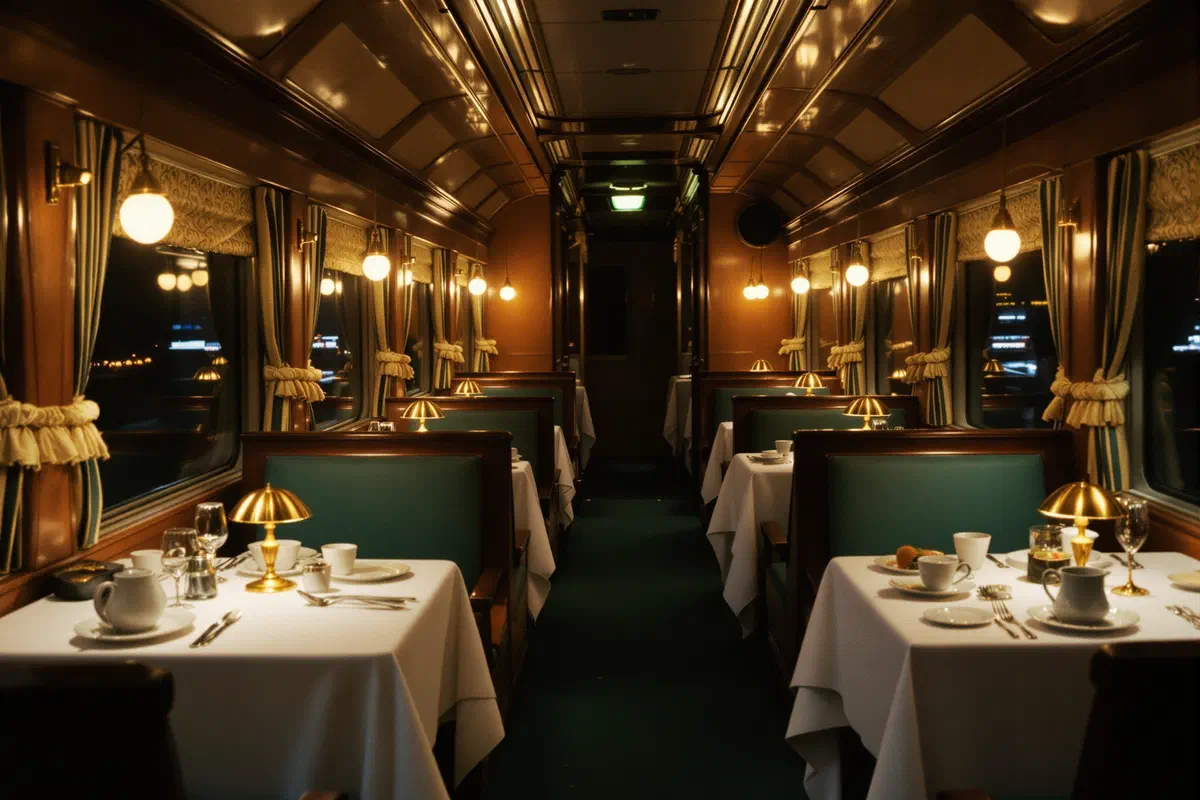
The list is short. Ear plugs, because even the best carriage has a squeaky door. A small torch so that you do not wake your companion looking for a shoe. A change of clothes in a day bag, as the big case will be tucked at the end of the carriage, and a flask. In many countries the dining car is a memory, so bring something decent to eat and a bottle of something decent to drink with it.
Leave behind the idea that you will sleep eight hours. You will sleep four or five, with the odd stretch of staring at the dark, and you will be better for it. The point of a night train is not to be a bed on wheels. It is to be a place where nothing is required of you but to look out of the window when you feel like it.
Finally, give yourself an easy morning. I never plan anything ambitious for the first few hours after arrival. A long breakfast is the only schedule, and the city or the glen will still be there at ten.
The great sleepers are not what they were, and in some ways they are better. They are fewer, so they are booked earlier, and the people who take them tend to be the ones who like trains, which improves the conversation in the dining car. If you are thinking of one, talk to us early, because the best cabins go first.