I first saw Venice in July, in a crush of tour groups and sweating cruise passengers, and decided it was overrated. I went back in January, and decided I had been wrong. The city is the same; the weather is entirely different, and so is the mood. If you want to see what the Venetians see, this is the month.
The light and the fog
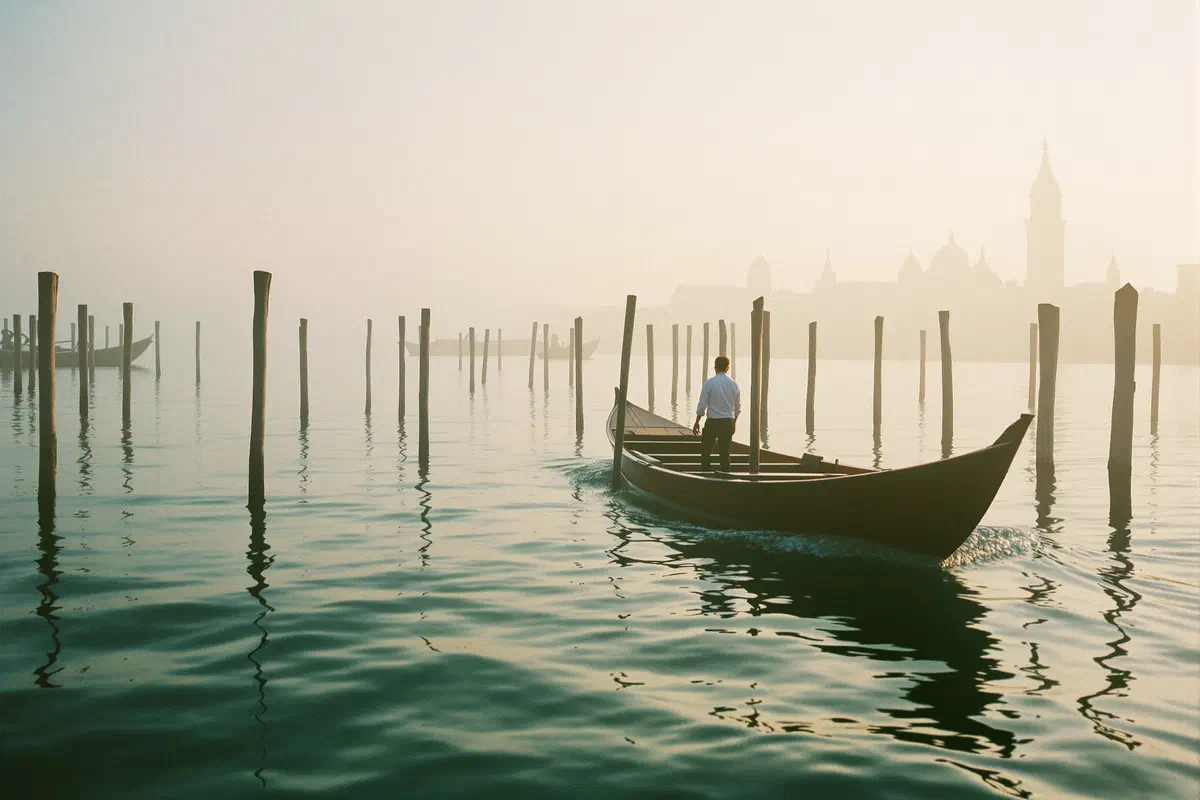
On a good January morning the lagoon is silvered, with a pale low sun and a thin mist lying over the water. The campanile of San Giorgio Maggiore appears and vanishes. The city has the lanes largely to itself, so you can walk through Dorsoduro without a single selfie stick, and the sound is mostly footsteps and the odd boat engine.
Fog can also close things down. The vaporetti slow, and on a bad day the airport is affected. I always tell clients to leave a spare night either side of any onward connection, and not to book a tight afternoon flight home. The fog usually burns off by noon, but not always, and Venice in the murk is no place to be stressed about timetables.
There is also the matter of acqua alta, the high tide that floods the lowest parts of the city, mostly between autumn and winter. Since 2020 a system of mobile barriers called MOSE has protected the lagoon from the worst surges, and it has been raised on many occasions. Even so, a gentler flood can still fill St Mark’s Square, so pack proper waterproof boots and expect to be a little inconvenienced. It is part of the place, and rather fun, if you are not on a schedule.
What to eat when it is cold
Winter is when the food makes sense. This is the season of radicchio di Treviso, bitter and red, grilled or risotto-ed, and of sarde in saor, the sweet-sour sardines with onions, pine nuts and raisins that began as a sailor’s way of keeping fish. Order them in a bacaro, a small bar with a counter of cicchetti, and eat standing up with an ombra, a small glass of wine. A good bacaro in January is warm, loud and full of locals, and it is worth walking a little off the main routes to find one.
If your visit falls at the end of the month or into February, you may catch Carnevale. The big masked balls are expensive and fiercely tourist-led, and I would skip them. The street scene is another matter: children in costume, and trays of fritole and galani, the fried dough that appears in every pastry shop. Buy a bag, walk, and eat it before it cools.
Beyond the main island
One of the best January days is out in the lagoon. Take the boat to Torcello, which in the early Middle Ages had more inhabitants than Venice and now has a few dozen, a seventh-century cathedral and some of the finest Byzantine mosaics in Italy. Then on to Burano for the lace and the painted houses, which look their best against a grey sky, as the colours seem brighter when everything else is muted.
Stay somewhere with a small courtyard, a fire and a decent breakfast. A palazzo hotel in winter can be better value than in summer, and the staff, with fewer guests, have the time to tell you what is worth seeing. I would also suggest booking one dinner somewhere proper, with a tablecloth, for the evening you are tired of standing.
Pack warm, wear layers, and bring one pair of shoes you do not mind getting wet. The cold is damp rather than dry, and it gets into the bones. In return you get a city of silence, a few good hours of sun, and the extraordinary sight of a floating palace in the mist, with no one else at the rail.